The Rulebook Has Been Rewritten. Most Workers Don't Know Yet.
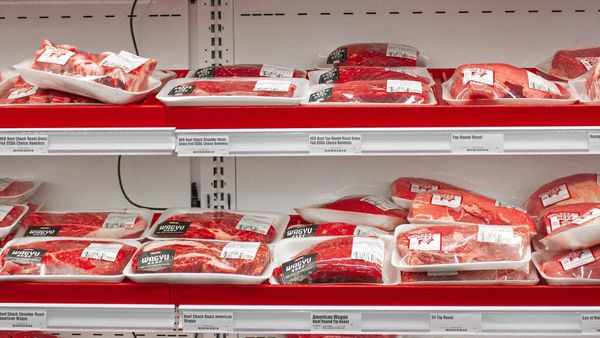
The largest meatpacking strike in 40 years ended without a contract. The legal architecture that was supposed to make that posture costly has spent a year being dismantled. A bourbon distillery, a quorum gap, and fifty years of precedent explain what happened in Greeley.
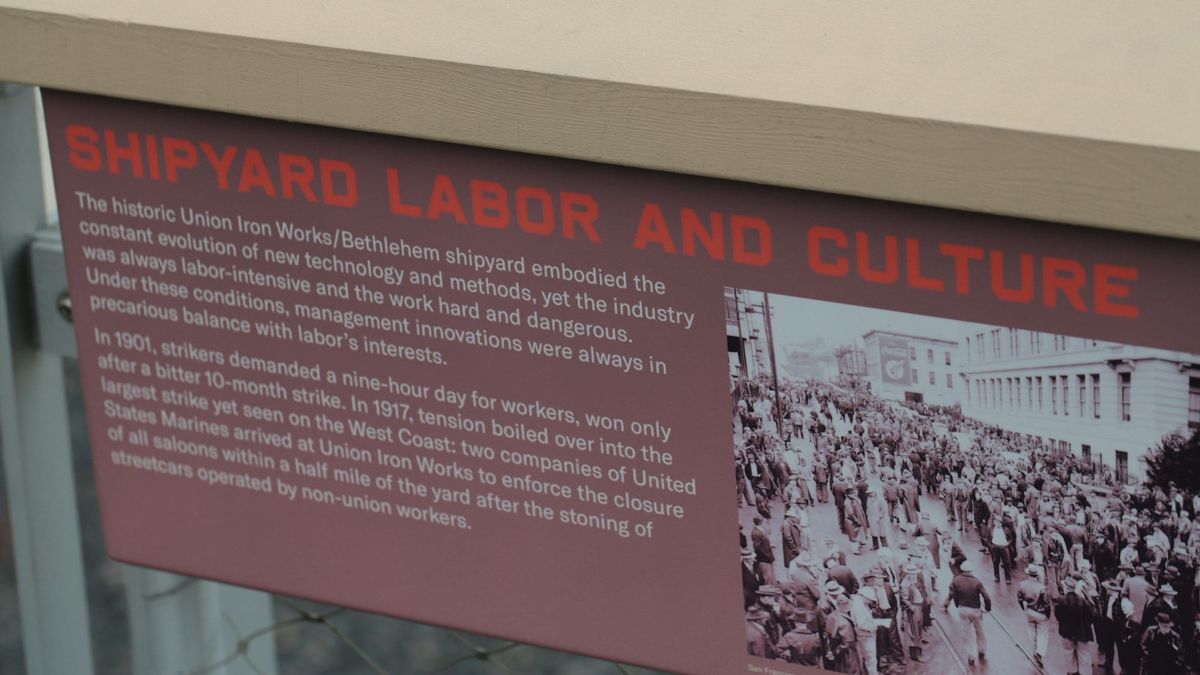
How a bourbon distillery case, a hollowed-out board, and fifty years of precedent explain what happened in Greeley.
The largest meatpacking strike in 40 years ended Tuesday without a new contract. The workers went back on good faith. The company didn't move its offer by a cent. If you read yesterday's piece and wondered how a company with $415 million in quarterly profits can sit across a bargaining table and hold firm, this is the infrastructure answer.
The legal architecture that was supposed to make that posture costly has spent the past year being systematically dismantled, in the courts, in the agency, and in the appointment process that controls both.
The Board That Couldn't Act
Start with the body itself.
The National Labor Relations Board requires a quorum of three members to issue decisions. For most of 2025, it had one. Gwynne Wilcox was fired by the Trump administration in January 2025, a removal that itself became a constitutional case. Expired terms and political gridlock did the rest. The result was an agency legally empowered to protect workers' organizing rights that could not issue a single ruling on unfair labor practice appeals for the better part of a year, while cases piled up and employers learned that the enforcement mechanism had gone dark.
The board was reconstituted in late 2025 with two new Republican members and a newly confirmed General Counsel, Crystal Carey. The direction the reconstituted board intends to travel is not subtle. The new General Counsel declined to issue the standard list of cases she wanted reconsidered, a break from longstanding practice that some read as restraint and others read as keeping options open. The board's two Republican members have signaled they will follow the traditional practice of not overturning precedent without a three-member majority, which means the most significant rollbacks are waiting on one more appointment.
That appointment is coming. When it arrives, the queue of Biden-era precedents targeted for reversal is already documented.
The Case That Changed the Rules, and the Case That Changed Them Back
In 2023, the Biden-era NLRB issued its Cemex decision, one of the most significant shifts in union recognition law in half a century. The old framework, in place since 1971, allowed employers to simply decline union recognition and force workers into an election process they could then work to undermine with captive audience meetings, strategic wage increases, and other legal and semi-legal pressure tactics. If an employer committed unfair labor practices during the campaign and the union lost anyway, the remedy was typically a rerun election, giving the employer another opportunity to apply the same pressure.
Cemex changed the default to a direct bargaining order, requiring the employer to recognize and negotiate with the union regardless of the election outcome. For the first time in decades, there was a meaningful cost to union-busting during an organizing campaign.
On March 6, 2026, the Sixth Circuit became the first federal appeals court to reject it.
The case was Brown-Forman Corporation versus the NLRB, arising from a union drive at the Woodford Reserve bourbon distillery in Kentucky. After learning workers had signed authorization cards indicating majority support, Brown-Forman announced a $4 per hour wage increase, expanded benefits, and gave every employee a bottle of bourbon. The union lost the election 14 to 45. The NLRB found unfair labor practices and issued a bargaining order under Cemex. The Sixth Circuit agreed the company had broken the law. It overturned the bargaining order anyway, ruling that the NLRB had exceeded its authority by creating the Cemex standard through case adjudication rather than formal rulemaking.
The practical effect is significant. Employers in Kentucky, Michigan, Ohio, and Tennessee now have strong legal grounds to challenge bargaining orders issued under Cemex. The decision provides a roadmap for challenges in every other circuit. And the reconstituted board, once it has a third Republican member, is widely expected to finish the job through formal rulemaking.
The captive audience meeting precedent is next. In 2024, the Biden board ruled that mandatory meetings where employers present anti-union arguments to captive employees on company time violated the National Labor Relations Act, overturning 75 years of contrary precedent. That ruling is now on the documented rollback list.
What This Means in Practice
The workers at Greeley went on strike over an unfair labor practice, a specific legal claim that JBS had refused to bargain in good faith. The NLRB is the body that adjudicates those claims. The board spent most of 2025 unable to act on any such appeals. The legal standard that would have given the union its strongest leverage, Cemex, has been rejected in one circuit and is being dismantled in others. The captive audience protection that would have limited what JBS could say to workers during any future organizing drive is scheduled for reversal.
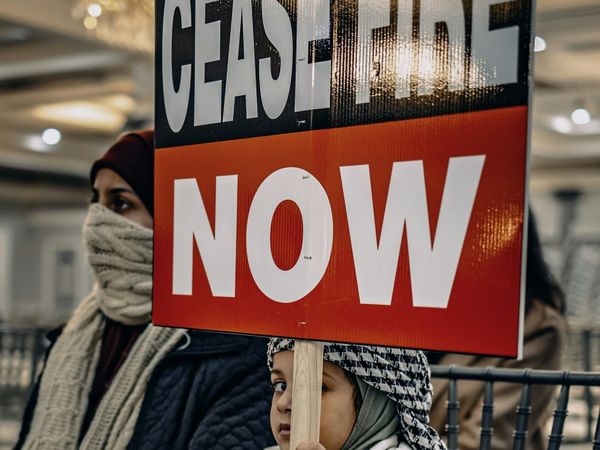
None of this happened by accident. It happened through a sequence of appointments, a firing, a court case about a bourbon distillery, and a quorum gap that lasted long enough to clear the decks. The workers standing in 20-degree temperatures on the Greeley picket line were not just negotiating with JBS. They were negotiating against an institutional architecture that has been methodically rebuilt to tilt the room.
THE GAP
Labor law infrastructure coverage is the least-read category of labor journalism and the most consequential. The Cemex reversal in Brown-Forman was covered extensively in legal and employer-facing publications. It received almost no coverage in general interest media. The connection between that March 6 ruling, the NLRB quorum gap, the captive audience rollback, and what happened in Greeley this week does not appear to have been made anywhere in print. That connection is the story. The individual rulings are the mechanism.
ROOT
How the rulebook got rewritten in 60 seconds:
1935: The National Labor Relations Act is signed, creating the NLRB and establishing the legal right of workers to organize, bargain collectively, and strike. The board is designed as an independent agency with removal protections for its members, insulating it from direct political pressure.
1947: The Taft-Hartley Act rolls back key provisions of the NLRA, banning secondary boycotts, solidarity strikes, and closed shops. The first major rewrite of the rulebook arrives six years after the original.
1969: The Supreme Court's Gissel Packing decision establishes the standard for bargaining orders that will govern union recognition law for the next 54 years. Bargaining orders without an election are reserved for extreme cases only.
1981: Reagan fires 11,000 striking PATCO air traffic controllers and decertifies their union. The message to employers about the cost of worker organizing is received clearly and broadly.
2005 to 2017: Union density in the private sector falls below 7 percent, the lowest since before the New Deal, as the industry consolidation that produces companies like JBS eliminates unionized plants and restarts production in nonunion facilities.
2023: The Biden-era NLRB issues the Cemex decision, the most significant shift in union recognition law in half a century, making bargaining orders the default remedy when employers commit unfair labor practices during organizing campaigns.
2024: The Biden board rules that mandatory captive audience meetings violate the National Labor Relations Act, overturning 75 years of contrary precedent.
January 2025: Trump fires NLRB member Gwynne Wilcox. The board loses its quorum. For the better part of a year it cannot issue decisions on unfair labor practice appeals. Cases pile up.
March 6, 2026: The Sixth Circuit rejects the Cemex standard in Brown-Forman Corporation versus the NLRB, ruling the board exceeded its authority. Employers in four states gain immediate grounds to challenge bargaining orders. The roadmap for challenges in every other circuit is now in print.
April 9 and 10, 2026: JBS and UFCW Local 7 resume contract negotiations in Greeley, Colorado. The company has not moved its offer. The workers who forced it back to the table are negotiating inside a legal architecture that has been systematically rebuilt against them.
WHO PROFITS
Employers who can afford to run sophisticated union avoidance campaigns, give strategic wage increases timed to organizing drives, and wait out a reconstituted board that cannot yet overturn precedent but is building toward it. Law firms specializing in management-side labor counsel, whose client advisories have spent the past three months documenting exactly which Biden-era protections are next on the rollback list and how to position accordingly. The workers at the Greeley plant, who returned to work Tuesday in good faith, are negotiating against both a company and a legal system whose architects have been working in the same direction for the better part of two years. The rulebook has been rewritten. The people it was written to protect are the last to find out.
FURTHER READING
For the Cemex decision and what it changed: What Is the NLRB's Cemex Decision? — Emergency Workplace Organizing Committee
For the Sixth Circuit rollback: Sixth Circuit Rejects the NLRB's Cemex Bargaining Order Standard — Morgan Lewis
For the Brown-Forman case in full: Brown-Forman Decision Rolls Back NLRB's Pro-Union Cemex Policy — Benesch Law
For the captive audience precedent and what's next: NLRB Forecast for 2026 — CBIA
For the reconstituted board and what employers expect: New Year, New Labor Board: What Employers Should Expect from the NLRB in 2026 — Fisher Phillips
Our Revolution Media covers labor history, political economy, systems thinking, and working-class perspectives. ourrevolution.media